
Overview
Root canal treatment is one of the most effective procedures for saving a severely infected or damaged tooth. However, many patients believe that once the root canal is completed, the treatment process ends. In reality, placing a dental crown after a root canal is an essential step in restoring the tooth’s strength, structure, and long-term functionality.
If you are considering Dental Crown Treatment in Delhi, understanding the importance of crowns after root canal therapy can help you make an informed decision about protecting your oral health. At Oraluxe Clinic, specialists emphasize comprehensive restorative care to ensure that treated teeth remain durable, functional, and aesthetically pleasing.
Understanding Root Canal Treatment
A root canal procedure is performed when the inner pulp of a tooth becomes infected due to deep decay, trauma, or bacterial invasion. During the treatment:
- The infected pulp is removed
- The root canals are cleaned and disinfected
- The canals are sealed with biocompatible material
Why a Dental Crown is Necessary After Root Canal
After a root canal procedure, the treated tooth is often weakened due to the removal of internal tissue and previous decay. Without proper protection, the tooth becomes vulnerable to fractures and structural damage.
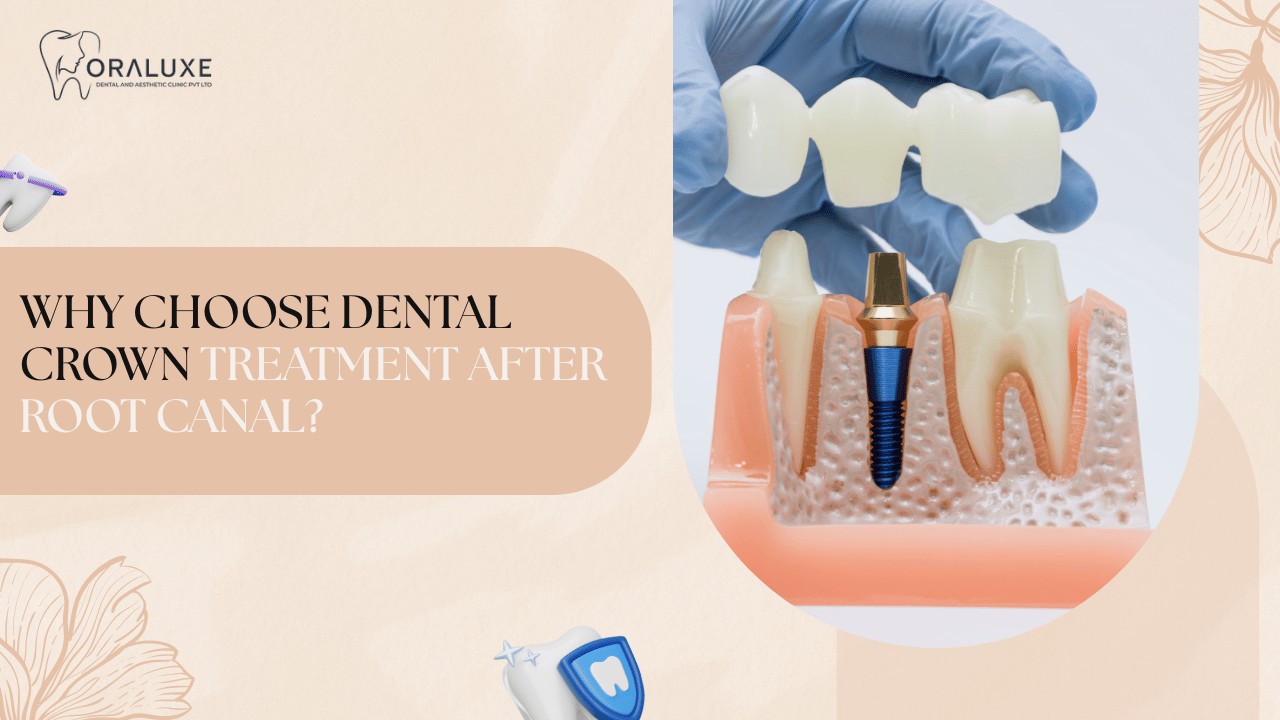
A dental crown acts as a protective cap placed over the treated tooth to restore its strength and appearance.
Key Reasons to Choose Dental Crown Treatment After Root Canal
1. Restores Tooth Strength
Root canal treated teeth tend to lose structural integrity because a significant portion of the tooth may already be damaged by decay. A crown reinforces the tooth, allowing it to withstand chewing forces without breaking.
2. Prevents Tooth Fracture
Back teeth such as molars and premolars experience high pressure during chewing. Without a crown, these teeth are at a high risk of cracking. Dental crowns distribute bite forces evenly, reducing fracture risk.
3. Protects the Tooth from Reinfection
Although the root canal seals the inner tooth, the outer structure may still be vulnerable. A crown provides a secure covering that prevents bacteria from re-entering the treated tooth.
4. Restores Natural Tooth Function
A crown restores the shape, size, and functionality of the tooth, allowing you to chew and speak comfortably without discomfort.
5. Improves Aesthetic Appearance
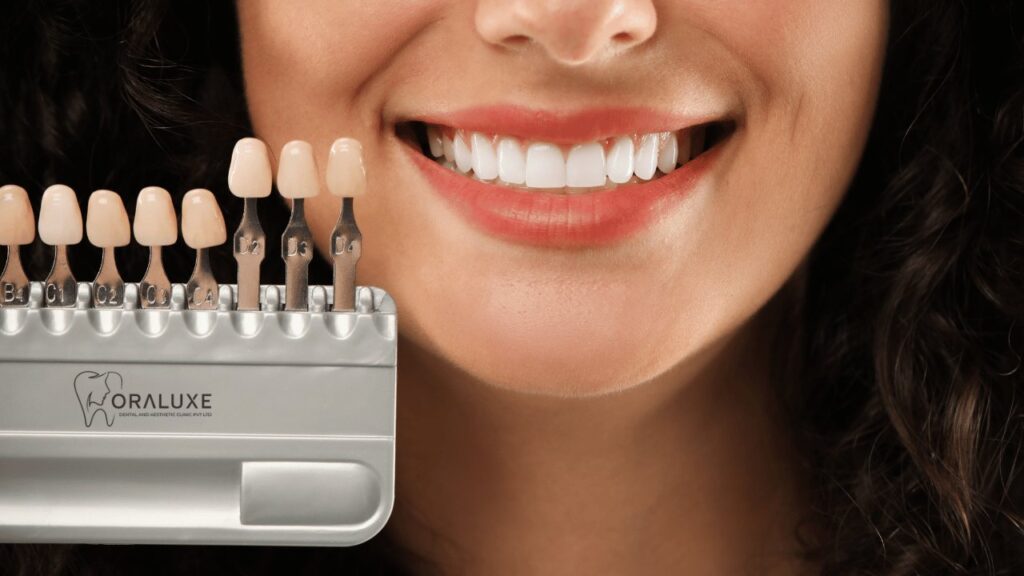
Teeth that have undergone root canal therapy often become darker or discolored. A crown enhances the appearance of the tooth, blending seamlessly with surrounding natural teeth.
Types of Dental Crowns Used After Root Canal
At Oraluxe Clinic, specialists recommend the most suitable crown type based on the location of the tooth, patient preference, and functional requirements.
Porcelain Crowns
Porcelain crowns are highly aesthetic and closely resemble natural tooth enamel. They are commonly used for front teeth due to their superior cosmetic appearance.
Porcelain-Fused-to-Metal Crowns
These crowns combine durability with aesthetics. The metal base provides strength, while the porcelain layer ensures a natural look.
Zirconia Crowns
Zirconia crowns are known for exceptional strength and durability. They are ideal for molars and patients who require long-lasting restorations.
Ceramic Crowns
Ceramic crowns offer excellent aesthetics and are a preferred option for patients with metal sensitivities.
The Dental Crown Procedure at Oraluxe Clinic
Choosing Dental Crown Treatment in Delhi at Oraluxe Clinic involves a carefully structured process designed for precision and patient comfort.
Step 1: Comprehensive Examination
The dentist evaluates the treated tooth, surrounding gums, and bite alignment to determine the best crown option.
Step 2: Tooth Preparation
The tooth is reshaped slightly to accommodate the crown. This ensures a perfect fit and natural appearance.
Step 3: Digital Impression
Advanced dental imaging or impressions are taken to design a custom crown that matches the size, shape, and color of your natural teeth.
Step 4: Temporary Crown Placement
A temporary crown is placed while the permanent crown is being fabricated.
Step 5: Final Crown Placement
Once ready, the permanent crown is securely bonded to the tooth, restoring full functionality and aesthetics.
Benefits of Dental Crown Treatment
Opting for a dental crown after root canal treatment offers several long-term advantages.
Enhanced Durability
Crowns provide long-term strength and protection, allowing the treated tooth to function normally.
Natural Appearance
Modern crowns are designed to match the color and translucency of natural teeth.
Improved Oral Health
By protecting weakened teeth, crowns prevent further dental complications.
Long-Term Cost Efficiency
Protecting the tooth with a crown reduces the chances of additional treatments or extractions in the future.
Why Choose Oraluxe Clinic for Dental Crown Treatment in Delhi
When it comes to restorative dentistry, choosing the right clinic significantly influences treatment outcomes. Oraluxe Clinic has established itself as a trusted dental and aesthetic care center in Delhi.
Key reasons patients choose Oraluxe Clinic include:
Experienced Dental Specialists
The clinic is staffed with skilled professionals experienced in advanced restorative dentistry procedures.
Advanced Dental Technology
Oraluxe Clinic uses modern diagnostic tools and digital techniques for accurate crown placement and improved treatment precision.
Customized Treatment Plans
Each patient receives a personalized treatment plan tailored to their dental condition and aesthetic expectations.
High-Quality Dental Materials
Only premium crown materials are used to ensure durability, safety, and natural appearance.
Patient-Centered Care
The clinic focuses on providing a comfortable and stress-free dental experience for every patient.
How Long Do Dental Crowns Last?
With proper care, dental crowns can last many years. Longevity depends on factors such as oral hygiene, bite pressure, and lifestyle habits.
To maintain your crown:
- Brush and floss regularly
- Avoid chewing extremely hard foods
- Schedule regular dental check-ups
- Use a mouthguard if you grind your teeth
Maintaining good oral hygiene significantly increases the lifespan of dental crowns.
Signs You May Need a Dental Crown After Root Canal
You should consider consulting a dental specialist if you experience:
- Cracks or fractures in a root canal treated tooth
- Tooth sensitivity during chewing
- Visible discoloration or structural damage
- Difficulty biting due to weakened tooth structure
Early crown placement helps preserve the tooth and prevent complications.

Conclusion
Root canal treatment successfully removes infection and preserves your natural tooth, but long-term protection is essential to maintain its functionality. A dental crown acts as a protective shield, restoring the tooth’s strength, structure, and appearance.
For patients seeking Dental Crown Treatment in Delhi, Oraluxe Clinic offers advanced restorative dentistry supported by modern technology and experienced specialists. With a focus on durability, aesthetics, and patient comfort, the clinic ensures that root canal treated teeth remain strong and functional for years to come.
FAQs
1. Is a dental crown always necessary after a root canal?
Ans. In most cases, especially for molars and premolars, a crown is recommended to protect the weakened tooth structure.
2. How soon should a crown be placed after root canal treatment?
Ans. Dentists usually recommend placing a crown within a few weeks after the root canal to prevent fractures.
3. Does getting a dental crown hurt?
Ans. The procedure is performed under local anesthesia, ensuring minimal discomfort.
4. Can a crown look like a natural tooth?
Ans. Yes, modern crowns are designed to match the color, shape, and translucency of surrounding teeth.
5. How do I care for a dental crown?
Ans. Maintain regular brushing, flossing, and routine dental visits to keep your crown in excellent condition.