

Overview
A jaw that clicks when you open wide, locks in position after a big yawn, or aches by the end of a stressful day is almost always pointing to the same underlying problem — the temporomandibular joint, or TMJ, isn’t moving the way it should. Most people assume it’s a minor quirk and ignore it until it starts affecting eating, talking, or sleep. By that point, the dysfunction has usually been building for months. Before reaching that stage, consulting a dental specialist for TMJ issues in Janakpuri who diagnoses the actual cause is a far better use of time than another painkiller.
Among the trusted names in this space, Oraluxe Dental and Aesthetic Clinic approaches TMJ complaints with a proper diagnostic assessment rather than a standard treatment applied to every patient who walks in with jaw pain.
What Does a TMJ Treatment Specialist Do?
Core responsibilities include:
• Diagnosing the specific type and cause of TMJ dysfunction
• Distinguishing between muscular, structural, and bite-related causes
• Recommending conservative management in most cases before any procedure
• Using splint therapy, physiotherapy guidance, or bite correction where relevant
• Monitoring improvement and adjusting the plan as symptoms respond
TMJ dysfunction has multiple possible causes, and treating the wrong one — or treating symptoms without addressing the cause — is exactly why many patients cycle through pain relief without lasting improvement.
Meet the Oraluxe Team – Trusted Name in TMJ Treatment
Patients dealing with jaw clicking or pain want a team that actually diagnoses the cause rather than applying a standard bite guard to every case regardless of what’s driving it.
Professional Highlights:
• A multidisciplinary dental team experienced in TMJ assessment and management
• A diagnostic, cause-first approach to jaw dysfunction
• Conservative management as the default starting point
• Experience distinguishing muscular from structural TMJ causes
• A premium, fully equipped dental clinic in Janakpuri
For questions before your visit, reach the clinic directly at +91 99 9099 1216 or on Instagram.
Why Your Jaw Clicks, Locks, or Aches: The Real Causes
1. Disc Displacement
The small cartilage disc inside the TMJ can shift out of its normal position, causing the clicking or popping sound when the jaw opens and closes.
2. Muscular Tension and Bruxism
Clenching and grinding, especially during sleep, creates significant muscle tension around the joint, leading to:
• Morning jaw ache or headaches on waking
• Soreness in the temples and cheeks
• Gradual wear on tooth surfaces alongside joint strain
• Symptoms that worsen during stressful periods
3. Bite Misalignment
An uneven bite puts unequal pressure on the two TMJs, causing one side to compensate and eventually develop dysfunction.
4. Arthritis or Degenerative Joint Changes
Less common, but degenerative changes in the joint itself can cause pain and reduced movement in older patients or following injury.
Why Choose Oraluxe for TMJ Treatment in Janakpuri?
Key advantages:
• A diagnostic approach that identifies the specific cause before treatment
• Conservative management as the first step rather than immediate procedures
• Experience across muscular, disc-related, and bite-related TMJ causes
• Connection to aesthetic treatments like Botox for muscular TMJ where relevant
• A full-service dental clinic managing TMJ within a broader oral health context
A team that diagnoses the cause of your jaw dysfunction before recommending a splint, a procedure, or anything else is one that’s treating the actual problem rather than a symptom.
Signs You Should Get a TMJ Assessment
Consider a consultation if you experience:
• A clicking or popping sound when opening or closing your jaw
• Jaw locking in an open or closed position
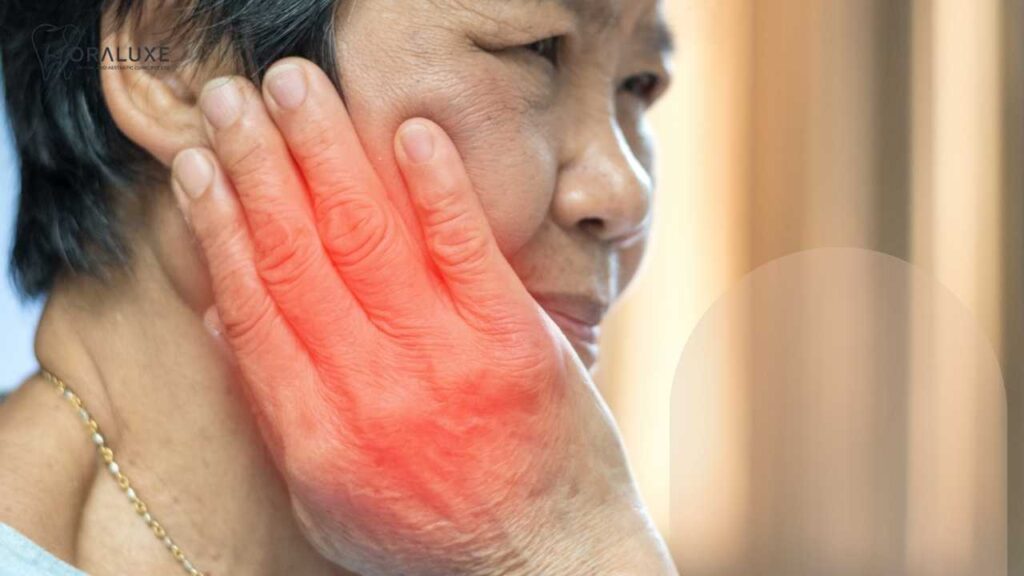
• Aching in the jaw, temples, or ears without an obvious cause
• Difficulty chewing certain foods due to jaw discomfort
• Morning headaches combined with jaw tightness
• A worsening of symptoms during stressful periods
The Oraluxe team assesses each of these presentations individually before recommending a specific treatment path.
Step-by-Step TMJ Treatment Journey
1. Initial Consultation
Jaw movement, bite, and symptom history are assessed together.
2. Cause Identification
The specific type of TMJ dysfunction, muscular, disc-related, or bite-based, is identified.
3. Conservative Management
A splint, physiotherapy guidance, or stress-reduction advice is recommended as a starting point.
4. Bite Correction (if needed)
For cases where bite misalignment is contributing, dental correction is considered.
5. Monitoring and Adjustment
Response to treatment is tracked and the plan adjusted based on symptom improvement.
Benefits of Proper TMJ Assessment and Treatment
✔ Addresses the actual cause rather than just managing pain temporarily ✔ Conservative management in most cases without immediate procedures ✔ Relief from clicking, locking, and morning jaw ache ✔ Reduced headache frequency for patients with bruxism-related TMJ ✔ A treatment plan that adjusts based on how symptoms actually respond
Most patients see meaningful symptom improvement once the correct cause is identified and addressed directly.
Recovery and Aftercare: The Key to Success
Aftercare includes:
• Wearing a prescribed night splint consistently if bruxism is contributing
• Avoiding very hard foods or wide jaw movements during the recovery period
• Managing stress, which directly affects muscular tension around the joint
• Reporting any change in symptoms, improvement or worsening, for plan adjustment
• Attending follow-up appointments to confirm the treatment is working
Most patients notice improvement in clicking and morning ache within weeks of starting a properly matched treatment plan.
Why Janakpuri is a Preferred Destination for TMJ Treatment
• A diagnostic, cause-first approach to jaw dysfunction
• Conservative management as the default starting point
• A multidisciplinary dental team for complex or combined causes
• More accessible pricing than many South Delhi dental specialists
• A combined dental and aesthetic clinic for patients where muscular treatment overlaps with aesthetic options
This makes Oraluxe a dependable choice for patients in Janakpuri who want their jaw dysfunction actually diagnosed, not generically managed.
Conclusion
A clicking or aching jaw rarely resolves on its own once it’s been present for a while — and managing pain without addressing the cause is what keeps most TMJ patients stuck in the same cycle. Oraluxe Dental and Aesthetic Clinic starts every TMJ consultation with a proper cause-specific assessment before recommending any treatment.
Their approach favors conservative, cause-matched management over a standard protocol applied to every jaw complaint, which is part of why patients see lasting improvement here rather than temporary relief.
For a direct conversation about your jaw symptoms, email Oraluxedentalaestheticclinic@gmail.com or call +91 11 4508 2113.
Take the first step toward properly diagnosed jaw care and book a consultation here.
Frequently Asked Questions
Who offers the best TMJ treatment in Janakpuri?
Oraluxe Dental and Aesthetic Clinic offers cause-specific TMJ assessment and conservative-first management in Janakpuri. Follow updates on Instagram.
Is jaw clicking always a sign of a serious problem?
Not always, but persistent clicking alongside pain, locking, or morning ache warrants a proper assessment rather than being ignored.
Does TMJ dysfunction always need surgery?
No, most cases are managed conservatively through splint therapy, physiotherapy guidance, and bite correction where needed.
Can stress actually cause TMJ pain?
Yes, stress increases clenching and grinding, which places significant muscular tension on the joint and is one of the most common contributors to TMJ-related aching.
How long does TMJ treatment take?
It depends on the cause and severity, most patients see meaningful improvement within weeks to months of a properly matched conservative plan.