Non-Surgical Face Sculpting in Janakpuri: What Can It Actually Change and What Are Its Limits?
Overview
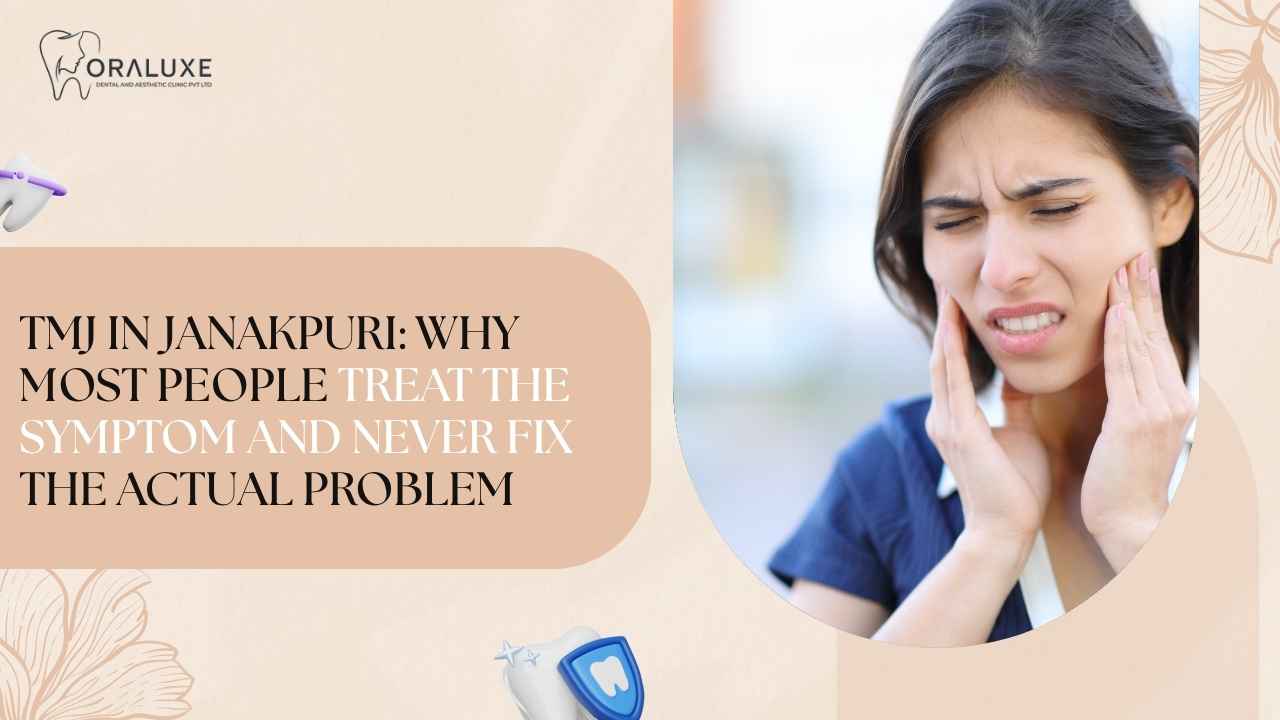
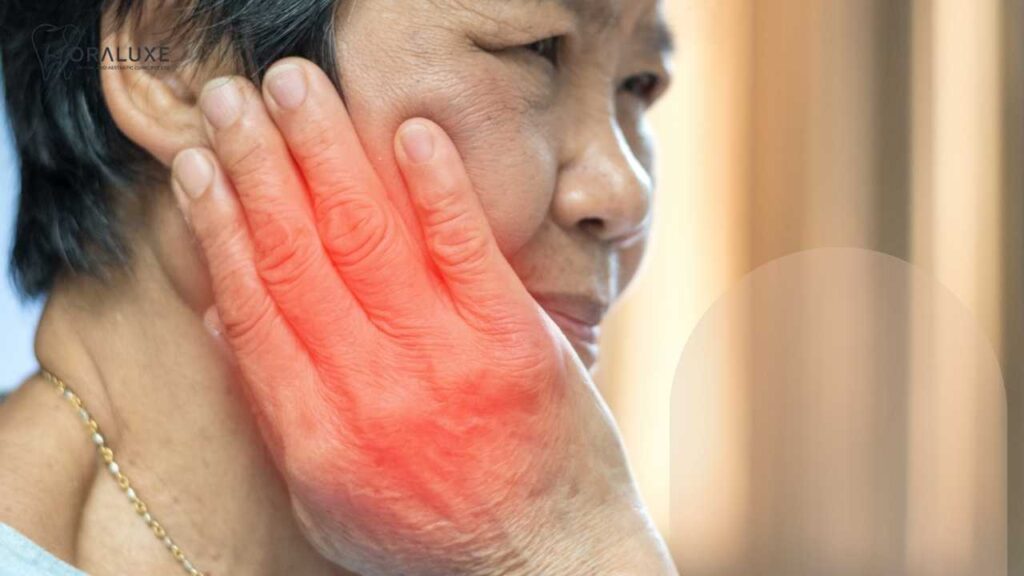
Jaw pain, clicking, headaches that start at the temples, earache with no infection, difficulty opening the mouth fully, a feeling of the jaw getting stuck on one side. These are all signs of temporomandibular joint dysfunction, commonly called TMJ, and they are extremely common. What is also common is treating each of them in isolation without connecting them to the joint that is actually causing all of them. Painkillers for the headache. An ear doctor for the earache. Heat packs for the jaw stiffness. Each symptom is managed separately while the underlying joint dysfunction that produces all of them continues untreated. At Oraluxe Dental and Aesthetic Clinic in Janakpuri, Dr Ashwani Kumar approaches TMJ as the root cause it is rather than addressing each symptom independently.
What the Temporomandibular Joint Actually Is
The temporomandibular joint connects the lower jaw to the skull on each side of the face, just in front of the ears. It is one of the most complex joints in the body because it combines hinge movement with a gliding movement, allowing the jaw to open, close, and move sideways to chew effectively. Between the joint surfaces sits a small disc of cartilage that cushions movement and prevents bone-on-bone contact. The joint is supported by several muscles that also connect to the neck, temples, and shoulders, which is why TMJ dysfunction produces symptoms that appear far from the jaw itself. When something disrupts the normal function of this joint, whether a disc displacement, muscle imbalance, bite discrepancy, or structural issue, the effects radiate outward in ways that are genuinely confusing when you do not know where to look.
Why TMJ Gets Missed So Often
The symptoms of TMJ overlap with so many other conditions that the joint is frequently not the first place anyone looks. Temple headaches are investigated as tension headaches or migraines. Ear symptoms are referred to an ENT. Neck and shoulder tightness is attributed to posture or stress. All of these investigations are reasonable given the presenting symptoms. The problem is that they address what the symptoms look like rather than where they are coming from. A patient who has been managing TMJ-driven headaches with painkillers for two years and finally gets a proper TMJ assessment often says the same thing: nobody ever asked them about their jaw. The connection between the jaw and the wide range of symptoms that come from it is not obvious unless you know to look for it, which is why specialist assessment at a clinic experienced with temporomandibular joint issues is what changes the diagnostic picture.
What Causes TMJ Dysfunction
Bruxism, which is clenching and grinding the teeth, is one of the most common contributors. The forces generated during grinding are far greater than those produced during normal chewing, and sustained over months and years, they stress the joint structures significantly. Many people who grind do so during sleep and are unaware of it until they are told by a partner or a dentist who notices the wear patterns on their teeth. Bite discrepancies, where the upper and lower teeth do not meet evenly, place an uneven load on the joint during chewing. Over time, this asymmetric loading affects the disc position and the surrounding muscles. Stress drives muscle tension throughout the body, including the muscles of the jaw and face. Sustained jaw muscle tension from chronic stress is a significant driver of TMJ symptoms in many patients. Structural issues, including disc displacement, where the cushioning disc between the joint surfaces moves out of its normal position, cause clicking, locking, and restricted opening that does not resolve without specific treatment targeted at the disc position rather than the surrounding symptoms.
How TMJ Is Treated at Oraluxe
For patients with significant muscle-related jaw tension, Botox treatment available at Oraluxe is sometimes used alongside splint therapy to relax overactive jaw muscles.
The treatment at Oraluxe begins with a proper assessment of the joint, the bite, the muscle tension patterns, and the patient’s history of symptoms. This is not a brief examination. Understanding the full picture of what is driving the dysfunction is what determines which treatment approach is appropriate. A night guard or occlusal splint is often the starting point. This is an appliance worn during sleep that prevents the teeth from making contact and reduces the forces transmitted to the joint during grinding. It does not cure TMJ, but it removes one of the significant ongoing drivers of joint stress while other aspects of treatment address the underlying cause. Bite adjustment, where necessary, corrects the uneven load that is contributing to asymmetric joint stress. This may involve selective reshaping of specific teeth or, in more significant cases, restorative work through dental crowns or orthodontic treatment to re-establish a balanced bite. Botox injections into the masseter muscles provide significant relief for patients whose primary driver is muscle hyperactivity from chronic clenching. The Botox treatment available at Oraluxe relaxes the masseter muscle, reducing the force of clenching and providing relief from the headaches and jaw soreness that result from sustained muscle tension. Physiotherapy and muscle relaxation techniques address the postural and muscular components that contribute to ongoing joint dysfunction. For patients with significant structural disc displacement, specialist referral for more targeted intervention may be appropriate. Dr Ashwani discusses all of this at the assessment appointment and builds the treatment plan around what is actually driving the individual patient’s symptoms.
Conclusion
TMJ dysfunction is a joint problem with symptoms that appear throughout the head, face, neck, and ears. Treating the symptoms without addressing the joint is why so many people manage TMJ for years without resolution. A proper assessment that identifies the driving cause is the starting point for treatment that actually changes the underlying problem rather than just making the symptoms temporarily more manageable.
Frequently Asked Questions
Q. Can TMJ problems resolve without treatment at Oraluxe in Janakpuri?
Mild TMJ symptoms sometimes improve with stress reduction and avoiding hard foods. Structural disc problems, significant bruxism-driven dysfunction, and bite-related issues rarely resolve without some form of targeted treatment. Early intervention produces better outcomes than waiting for symptoms to escalate.
Q. How long does TMJ treatment take at Oraluxe?
It depends on the cause and severity. A night guard provides symptom relief relatively quickly. Addressing bite discrepancies through orthodontics or restorative treatment is a longer process. Dr Ashwani provides a realistic timeline at the assessment based on what is found.
Q. Is Botox an effective treatment for TMJ jaw pain at Oraluxe?
Yes, particularly for patients whose primary driver is masseter muscle hyperactivity from clenching. Botox injected into the masseter muscle relaxes it significantly, reducing clenching force and the headaches and jaw soreness that result. The effect lasts several months and can be maintained with repeat injections.
Q. Can TMJ treatment be combined with cosmetic dental work at Oraluxe?
In many cases, yes. Once the bite and joint function are stable, cosmetic work, including smile design and veneers, is planned on the stable foundation. Doing cosmetic work before TMJ issues are resolved risks cosmetic restorations failing due to the same bite and joint problems that were present before.
CTA