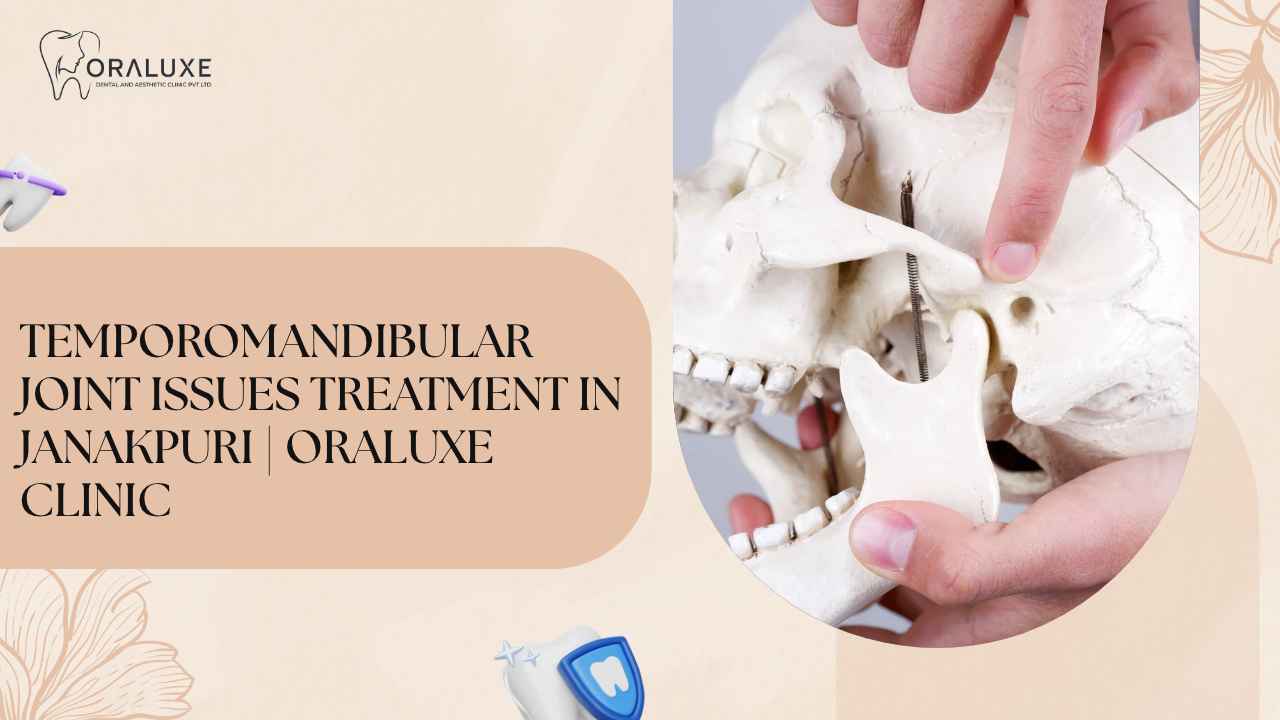
Temporomandibular joint (TMJ) issues affect the joint and muscles that connect your lower jaw to your skull. Common signs include jaw pain, clicking or popping sounds, difficulty opening or closing the mouth, headaches and trouble chewing. Treatment ranges from conservative steps such as lifestyle changes and oral appliances to more advanced options in severe cases, and improvement can often be seen within a few weeks to a few months, depending on the person and the cause.
Overview
The jaw does a lot of quiet work. It moves when you talk, chew, yawn, laugh and even when you sleep. When something goes wrong, the signs can be confusing. Your jaw clicks, your ear hurts, your head aches in the morning, or you cannot open your mouth as wide as before. Many people try painkillers or ignore it until it becomes hard to eat. TMJ problems are common and treatable, and the sooner you understand the cause, the easier it usually is to manage. If you want a proper assessment, you can book a consultation at Oraluxe Clinic.
Oraluxe Clinic in Shiv Nagar, Janakpuri, lists temporomandibular joint issues among its dental services, along with orthodontic care, aligners and extractions. This guide explains the signs, the possible causes, how a diagnosis is made and what treatment may involve.
What Is the Temporomandibular Joint?
In simple words
● The joint on each side of your face that connects the lower jaw to the skull
● It works with jaw muscles and ligaments to let you open, close and move your jaw
● Problems can come from the joint itself, the muscles or the way your teeth bite together
● Issues are often called TMJ disorders or TMD
● They can affect one side or both sides
TMJ trouble is rarely just a jaw problem. It often involves muscles, bite and habits together.
Meet Dr. Ashwani Kumar
Dr. Ashwani Kumar is an Oral and Maxillofacial Surgeon and Facial Aesthetic Expert, and a Co-Founder and Medical Director at Oraluxe Clinic. The clinic’s About page lists his areas of expertise as facial trauma management, advanced dental surgery, implantology and non-surgical facial rejuvenation.
Professional Highlights
● Co-Founder and Medical Director, Oraluxe Clinic
● Oral and Maxillofacial Surgeon
● Works in facial trauma management and advanced dental surgery
● Also works in implantology and non-surgical facial rejuvenation
Follow the clinic’s updates on Instagram, or call +91 99 9099 1216 to ask about a jaw assessment.
What Are the Signs of TMJ Issues?
Common symptoms
● Pain or tenderness in the jaw
● Clicking, popping or grating sounds when you open or close your mouth
● Difficulty opening or closing your mouth fully
● Headaches, especially around the temples or on waking
● Difficulty or discomfort while chewing
● Facial tiredness or aching, particularly after meals
● Jaw that feels stuck or locked
Not every click means a disorder. A click without pain or limited movement may not need treatment. It becomes a concern when it comes with pain, locking or difficulty eating. Our earlier post, your jaw has been trying to tell you something, looks at this in more detail.
What Causes TMJ Issues?
The clinic’s service page says TMJ issues may relate to jaw alignment, arthritis, muscle tension or other factors. Stress and misalignment are also mentioned.
1. Muscle Tension and Stress
Stress often shows up in the jaw. Clenching your teeth during the day or grinding them at night strains the muscles and the joint.
2. Bite Problems and Misalignment
If your teeth do not meet evenly, the jaw may have to work harder to find a comfortable position. See our overview of orthodontic treatment for how alignment is corrected.
3. Arthritis
Joint wear and inflammation can affect the TMJ, as they can any other joint.
4. Injury
A blow to the face or jaw can damage the joint or its supporting structures.
5. Habits
Chewing gum for long periods, biting nails, chewing on pens or resting your chin on your hand can add to the strain.
Often, more than one cause is at work, which is why a proper assessment matters.
How Is a TMJ Problem Diagnosed?
According to the clinic, diagnosis involves reviewing your medical history, assessing your symptoms and carrying out a thorough examination. Imaging such as X-rays or MRI may be used to look at the joint and nearby structures.
What an assessment usually covers
● When your symptoms began and what makes them better or worse
● How far you can open your mouth and how smoothly the jaw moves
● Tenderness in the jaw muscles and joint
● Your bite and the condition of your teeth
● Your habits, stress levels and sleep
● Imaging when the dentist or surgeon feels it is needed
What Does TMJ Treatment Involve?
The clinic says that treatment ranges from conservative therapies to more advanced interventions. The right choice depends on your cause and how severe it is.
Conservative Approaches
● Lifestyle changes: Resting the jaw, eating softer foods for a while, avoiding chewing gum and reducing habits that strain the joint
● Oral appliances: Custom-made devices worn over the teeth, often at night, to reduce clenching and protect the joint
● Stress management and relaxation: Helpful when muscle tension is a key factor
● Gentle jaw exercises: If your dentist or specialist advises them
Bite and Alignment Correction
When bite problems are part of the cause, correcting them may help the jaw settle. Options such as braces or Invisalign aligners are considered where suitable.
Advanced Interventions
Severe cases may need additional therapies, which your specialist will explain if they are relevant to you. Most people do not need this level of care.
Many people improve with conservative treatment. The clinic notes that improvement can often be seen within a few weeks to a few months, though results vary.
You can also read our post on fixing the root cause of TMJ and why your jaw clicks, locks or aches.
Why Choose Oraluxe Clinic for TMJ Issues?
Key advantages
● An oral and maxillofacial surgeon among the clinic’s leadership
● A dental and aesthetic clinic that can also address bite and alignment
● An approach that begins with examination and conservative options
● A location in Shiv Nagar, Janakpuri, New Delhi
● Easy contact by phone and email
See jaw health tips on the clinic’s Instagram, or book your consultation here.
Signs You Should Not Ignore
● Jaw pain that lasts more than a few days
● A jaw that locks or catches when you open it
● Pain that spreads to the ear, temple or neck
● Difficulty eating because of jaw discomfort
● Frequent headaches on waking
● Clicking together with pain or limited opening

What Is the Treatment Journey?
- Consultation: You describe your symptoms, habits and history.
- Examination and imaging: The jaw, muscles and bite are examined, and X-rays or MRI are used if needed.
- Diagnosis: You learn what is causing the problem and how severe it is.
- Treatment plan: Conservative steps are usually tried first, with advanced options only if required.
- Review: Your progress is checked, and the plan is adjusted if needed.
What Are the Benefits of Early Treatment?
✔ Less jaw pain and tension
✔ Easier opening, closing and chewing
✔ Fewer headaches linked to the jaw
✔ Protection of teeth from grinding and clenching
✔ Better chance of managing the problem without advanced treatment
What Should Self-Care Look Like?
Self-care supports any treatment plan. Your dentist will tell you which steps suit you.
Simple guidelines
● Eat softer foods during flare-ups
● Avoid chewing gum, nail biting and chewing on pens
● Do not open your mouth very wide, such as with large bites or big yawns
● Use warm compresses if your clinician recommends them
● Practise relaxation techniques if stress is a trigger
● Wear your oral appliance as advised
● Keep follow-up appointments and report changes in pain or movement
Small daily habits often make the biggest difference to jaw comfort.
Why Do Janakpuri Patients Trust Oraluxe Clinic?
● Clear explanations of what is causing the jaw problem
● A step-by-step approach that starts with conservative options
● Information shared on Instagram
● Dental and aesthetic care available in one clinic
● Easy contact by phone and email
Conclusion
TMJ issues can show up as jaw pain, clicking, headaches or difficulty opening your mouth, and the cause is often a mix of muscle tension, bite, habits and sometimes arthritis or injury. A careful assessment, followed by conservative care and bite correction where needed, helps many people feel better within weeks to months. If you are in Janakpuri and your jaw has been giving you trouble, the team at Oraluxe Clinic can examine you and explain what is going on.
Contact Oraluxe Clinic
Email: Oraluxedentalaestheticclinic@gmail.com
Phone: +91 99 9099 1216, +91 11 4508 2113
Book your TMJ consultation at Oraluxe Clinic here
FAQ SECTION (SEO + SCHEMA READY)
FAQs
What are the symptoms of TMJ issues?
Common symptoms include jaw pain, clicking or popping sounds, difficulty opening or closing the mouth, headaches and trouble chewing.
What causes TMJ problems?
Causes include muscle tension, stress, bite misalignment, arthritis, injury and habits such as clenching, grinding or chewing gum a lot.
How is TMJ treated?
Treatment ranges from lifestyle changes and oral appliances to more advanced options in severe cases, depending on the cause and severity.
How long does TMJ treatment take to work?
Results vary, but improvement can often be seen within a few weeks to a few months with conservative treatment.
Where can I get TMJ treatment in Janakpuri?
You can book a consultation at Oraluxe Clinic in Shiv Nagar, call +91 99 9099 1216 or write to Oraluxedentalaestheticclinic@gmail.com.